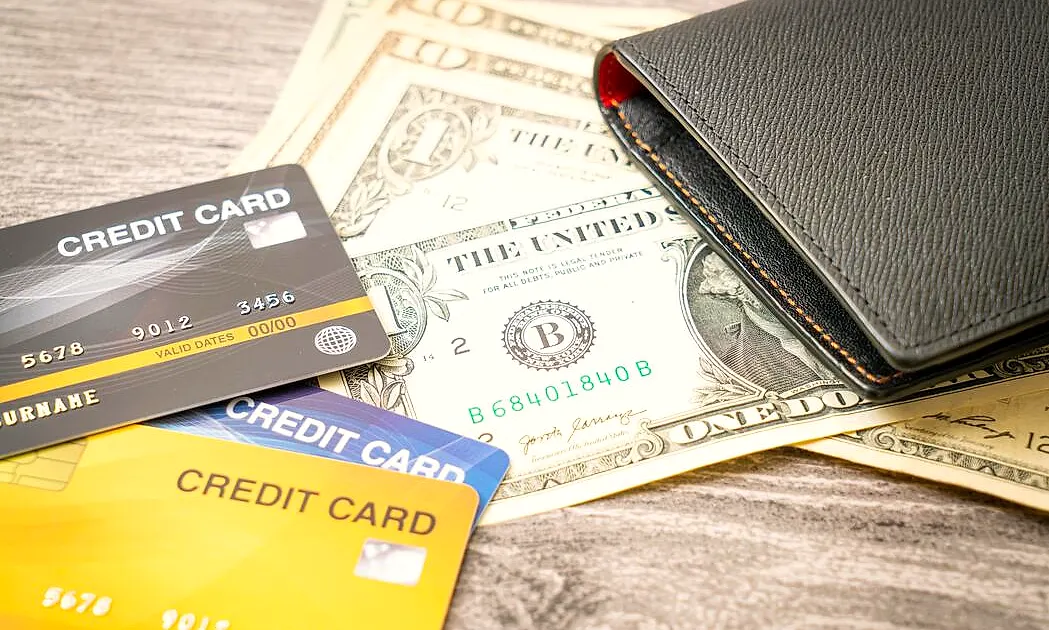
Short answer: Both, in a ratio that shifts by the hour. Cards work reliably at hotels, airline desks, department stores and most sit-down restaurants in Hanoi, Đà Nẵng and Saigon. Cash runs everything else: markets, street kitchens, temple boxes, motorbike parking, village homestays, the woman selling bánh mì at seven in the morning. Carry roughly a day's spending in small notes and the problem disappears.
Where do cards genuinely work?
Anywhere with a printed menu, a reception desk or an air-conditioned doorway. Hotels take cards without blinking. So do the mid-range and upper restaurants in the three big cities, the chain coffee shops, supermarkets, pharmacies and the larger craft shops in Hội An's old town. Visa and Mastercard are near-universal in those places; Amex is patchier and worth asking about before the bill arrives.
Two habits save money. First, if the terminal offers to charge you in your home currency rather than đồng, decline. That conversion is set by the machine, not your bank, and it is never in your favour. Second, expect a surcharge on card payments at smaller independents — tailors, boutiques, some homestays. It is usually disclosed, usually a couple of percent, and usually negotiable away if you offer cash.
What you cannot use is the QR code you will see taped to every counter in the country, from pho stalls to petrol pumps. That is the domestic bank transfer system, and it needs a Vietnamese account. Vendors who accept nothing but QR and cash are not being difficult; they simply have no terminal and no reason to buy one.
Why does the ATM keep refusing the amount you asked for?
Because most machines cap a single withdrawal well below what a foreign card would allow, and the screen rarely explains that. Ask for a large sum and you get a flat decline rather than a helpful message. The common ceiling on local bank machines sits in the low millions of đồng per transaction — enough for two or three days of ordinary spending, not enough for a week. A handful of banks' machines allow noticeably more; it is worth noting the logo on whichever one gives you the larger amount and looking for that logo again.
The sting is the fee. The Vietnamese bank charges per transaction, not per amount, and your own bank adds whatever it adds on top. Two small withdrawals cost double one large one. So the arithmetic favours finding the machine with the higher ceiling and using it less often, rather than topping up daily at whichever ATM is nearest your hotel.
A few practical notes. Tell your bank you are travelling, or expect a block on the second withdrawal. Machines inside bank branches and hotel lobbies are generally better maintained than the ones in unlit side-street booths. And in the far north — Hà Giang, the smaller valleys around Sa Pa, Bắc Hà on a non-market day — assume the machine will be empty or offline and draw your cash in Lào Cai or Hanoi before you go up. For bringing cash in to change rather than withdraw, Hanoi's exchange trade has clustered for decades on Hà Trung, a short street of gold and currency shops near the Old Quarter, where rates beat the airport by a clear margin.
Why do small denominations matter so much at markets?
Because a 500,000 note is the largest in circulation and a bowl of bún costs a fortieth of it. Hand one over for a 30,000 purchase at Đồng Xuân and you will watch the vendor leave her stall to find change from three neighbours. It is not rudeness that follows, exactly, but a cooled transaction. The traveller who pays with two twenties and a ten is served faster and quoted better the next time.
So break your big notes where breaking is easy: supermarkets, hotel bars, petrol stations, taxi fares. Keep 10,000, 20,000 and 50,000 notes in a separate pocket from the rest and treat them as the working currency of the day. They cover parking attendants, the sticky-rice seller, the ferryman, the incense you light at a shrine, the toilet attendant at a bus stop.
There is one trap worth memorising before you need it. The 20,000 note and the 500,000 note are both bluish, both polymer, and in low light in a cramped alley they read almost the same. The 10,000 and the 200,000 share a similar problem in brown. Vietnamese notes went to polymer in the early 2000s and the small paper notes — 5,000 and below — still circulate, soft as cloth. Coins were minted then too and have effectively vanished; if someone gives you one, keep it as a curiosity rather than trying to spend it.
At a highland Sunday market where livestock and corn wine change hands in cash, the small notes also keep you out of the way. Nobody at the cauldron at Bắc Hà wants to make change for a stranger during the busiest two hours of their week.
When this isn't for you
If your trip is four nights in a city hotel with meals in restaurants that have wine lists, you can mostly ignore all of this. One modest withdrawal on arrival will cover taxis and tips, and the card does the rest. You do not need a money belt, a currency app or a stack of dollars.
Equally, if you are travelling on a fully arranged private itinerary where entrances, transport and most meals are already settled, your daily cash needs are small — coffee, a hat, a bowl of something at a market stall. Padding your wallet with millions of đồng you never spend just means changing it back at a worse rate. Draw conservatively and top up as you go.
The people who do need to plan are the ones heading into the mountains, the delta backroads or anywhere a homestay is the accommodation. There, cash is not a preference. It is the only instrument that functions, and the nearest working machine can be two hours of switchbacks away. Our practical notes for travellers cover the adjacent questions about money and tipping.
A last observation. Nothing tells you more about where you are standing than how the money moves. In a Saigon mall the card never leaves your hand. In a Mekong lane the price is said aloud, the note is folded once and tucked into a waistband, and no receipt exists anywhere. Both are Vietnam in 2024. Carry enough to be fluent in the second one.
Quick questions
Should I bring US dollars?
A few hundred as a reserve is sensible, in clean unmarked bills. Day to day you will spend đồng, and prices quoted in dollars are usually worse than the same price in local currency.
Is tipping expected, and in what?
Not obligatory, but customary for guides, drivers and spa staff, and always in cash đồng. Small notes again; handing someone a single large note creates the same change problem.
What happens if an ATM swallows my card?
Go inside the branch if the machine is attached to one, otherwise call your bank to cancel immediately. Carry a second card from a different account, stored separately from the first.